
C
CONSNECTLtd.
Loading
Get the latest construction industry insights and platform updates delivered to your inbox.
© 2026 Consnect. All rights reserved.
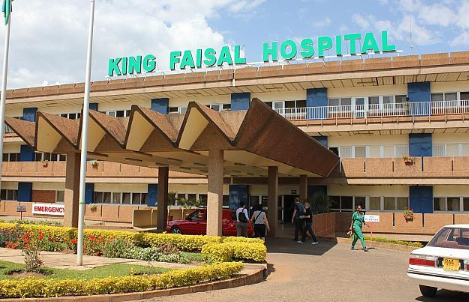
KIGALI, Rwanda in July 2024, government officials and health leaders gathered to mark the beginning of an ambitious effort that speaks to Rwanda’s broader vision for the future: the expansion of King Faisal Hospital, one of the country’s leading referral and specialized care centers.
Ndagijimana Emmanuel
3 days ago
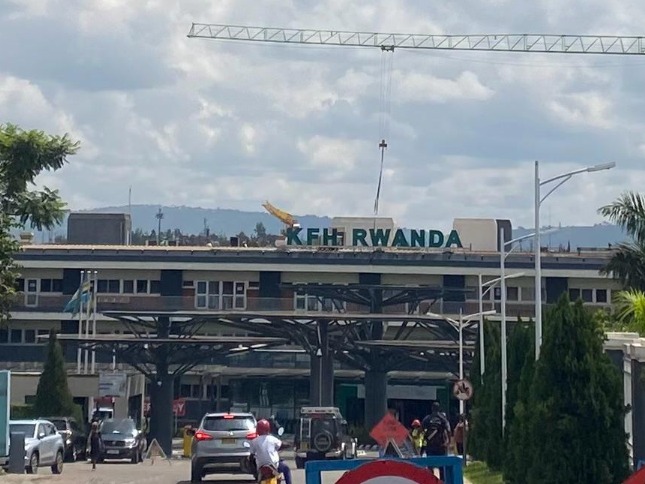
Launched on 22nd July 2024, the project is more than a construction milestone. It is part of a long-term national strategy to strengthen Rwanda’s healthcare system, reduce dependence on treatment abroad, and position the country as a regional hub for advanced medical services.
For years, many Rwandans in need of highly specialized care from complex surgeries to cancer treatment have had little choice but to seek medical attention outside the country. The expansion of King Faisal Hospital aims to change that.
“This project will allow us to increase the number of specialized doctors and significantly improve the quality of care we provide,” said Dr. Sabin Nsanzimana, Rwanda’s Minister of Health, during the launch. He emphasized that strengthening local capacity would not only improve outcomes for patients but also retain millions of dollars previously spent on overseas treatment.
At the center of the plan is a dramatic increase in scale.
The hospital, currently operating
with around 167 beds, is expected to expand to accommodate up to 770 patients. The new design reflects lessons learned during the Covid-19 pandemic, when limited isolation capacity exposed gaps in infrastructure. Plans include hundreds of single-patient rooms to improve infection control, alongside shared spaces designed to balance efficiency and care.
Spread across approximately 88,000 square meters, the upgraded facility will incorporate advanced medical technologies aimed at treating some of the most complex conditions. These include cardiovascular diseases, cancer, and organ failure — areas that require both specialized expertise and sophisticated equipment.
Hospital leadership says the expansion will also support the development of local expertise.
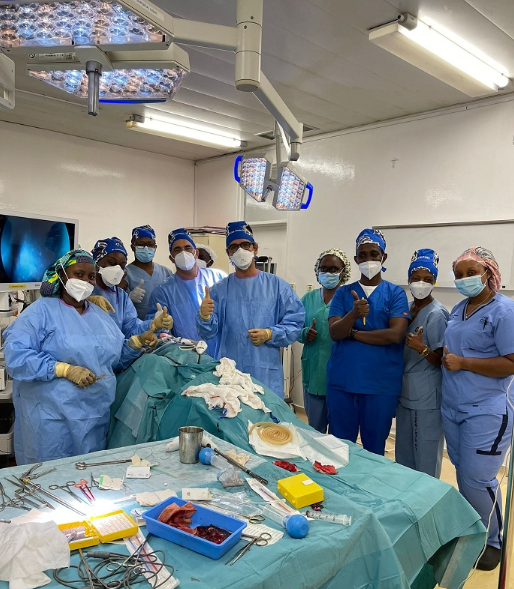
Ngirabacu Frederic, head of the institution, noted that the project goes hand in hand with efforts to train more specialists within Rwanda. “We are investing not only in buildings and equipment, but also in people,” he said, pointing to ongoing programs in fields such as kidney transplantation and advanced surgical care.
The emphasis on human capital reflects a broader shift in Rwanda’s healthcare strategy — from access to quality, and from basic services to highly specialized treatment.
The expansion also aligns with the country’s Vision 2050 agenda, which seeks to elevate Rwanda to upper-middle-income status and beyond. Healthcare, alongside infrastructure and education, has been identified as a critical pillar in that transformation.
Analysts say the project could have ripple effects beyond national borders. By building capacity in high-level medical services, Rwanda may increasingly attract patients from across the region, turning healthcare into both a public good and an economic driver.
Still, challenges remain. Large-scale medical infrastructure projects require sustained funding, skilled personnel, and long-term operational planning. Ensuring that services remain accessible and affordable will also be key as the hospital evolves.
For now, however, the expansion of King Faisal Hospital stands as a clear signal of intent.
It is a statement that Rwanda is not only building for growth, but for resilience — investing in a future where advanced healthcare is no longer something sought abroad, but something delivered at home.
Sign in to share your thoughts and engage with the community